- Home
- About
- Products
- Cardiology
- Nephrology
- Urology
- Laparoscopy
- Ophthalmology
- Blood Bank
- Surgical Instruments
- Export Solutions
- Resources
- Contact

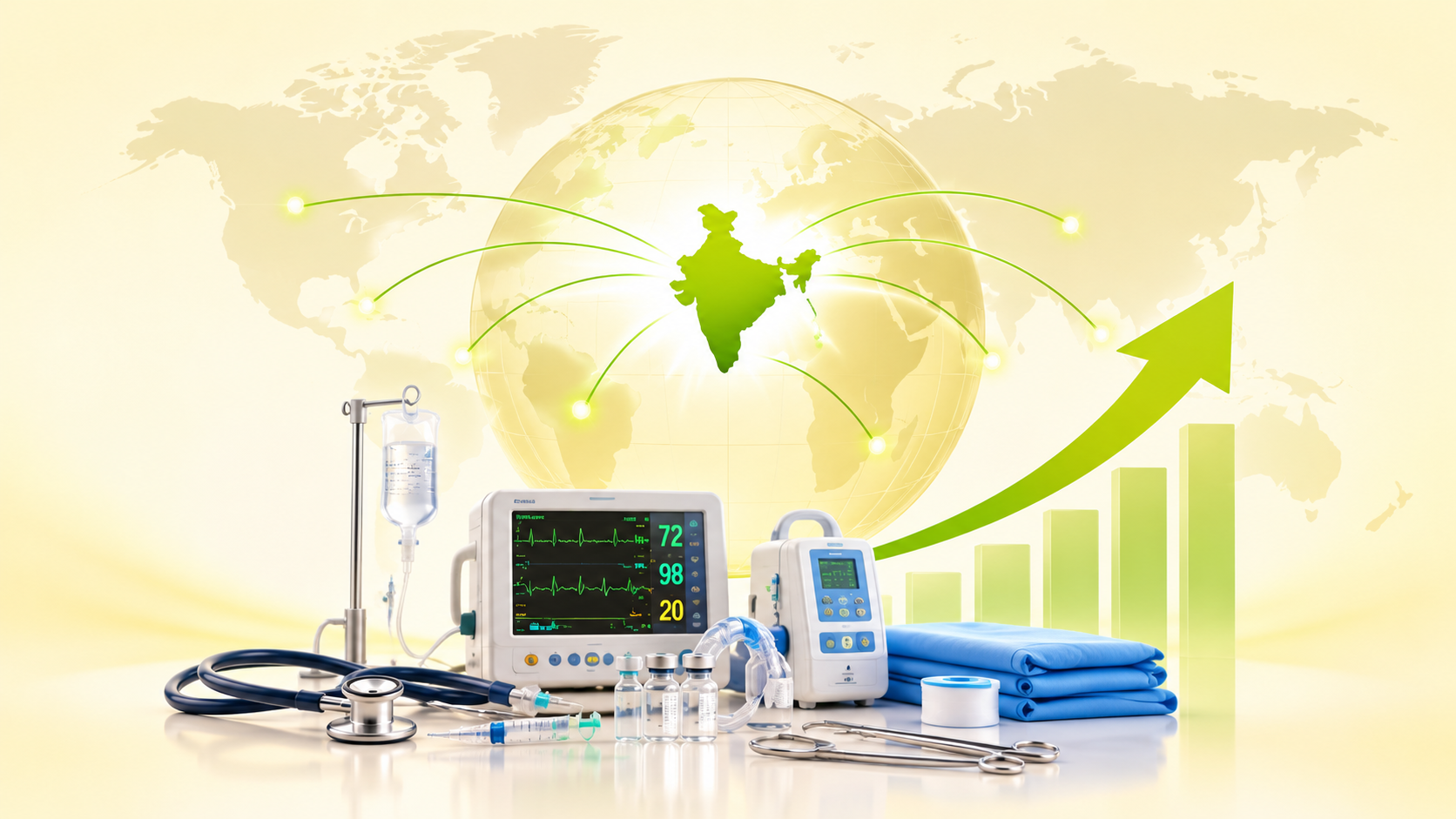
Nobody has a crystal ball. But anyone who buys medical devices for a living can feel the ground shifting.
Supply lines that used to feel safe don’t anymore. Buyers want more than one source. Hospitals want sharper prices without gambling on quality. And countries that once sat on the sidelines of device manufacturing are stepping into the middle of the field.
India is one of them. So what might the next five years look like, and what should international buyers do about it?
A quick note: this isn’t a forecast with exact numbers. It’s a practical read on the direction things appear to be heading, based on trends buyers can already see.
Trend 1: Buyers Want More Than One Source
For years, many hospitals and distributors leaned heavily on a small number of supplier countries. Then came delays, shortages and sudden price swings, and a lot of procurement teams learned the hard way what happens when everything depends on one place.
Expect that lesson to stick. Over the next five years, spreading sourcing across several countries will likely become standard practice rather than a clever extra. India stands to benefit because it already offers a wide range of products and a mature export trade.
Trend 2: India’s Manufacturing Base Keeps Broadening
Under the Make in India push, more companies are producing more kinds of devices at home. What started with basic consumables has been moving steadily toward more specialised categories.
For buyers, that likely means:
- A wider menu of products to choose from
- More brands competing in each category
- Better odds of finding an alternative when one item runs short
Trend 3: Value Matters More Than Ever
Healthcare budgets are under pressure nearly everywhere. Hospitals in Russia, Dubai, South Africa and beyond are all asking the same thing: how do we get more from every purchase?
India’s cost structure positions it well for that conversation. Buyers who want good value, not just the lowest number on a quote, will likely keep looking in this direction.
Trend 4: Emerging Markets Are Driving Demand
Healthcare expansion is happening fastest in regions like Africa, the Middle East and parts of Central Asia. New facilities need equipment, and existing ones need steady consumable supply.
These are also regions with long-standing ties to India. That combination of rising demand and established relationships suggests Indian exports to these markets have room to grow.
Trend 5: Buying Is Getting Easier
Ordering internationally used to mean endless emails, unclear timelines and a lot of guesswork. That’s changing. Buyers increasingly expect quick responses, clear quotes and one partner who manages the whole process.
Sourcing companies that offer this kind of service will have an edge. Those that don’t will struggle to keep up.
Where India Could Stand in Five Years
Putting those trends together, here’s a realistic picture of what to watch for:
- A bigger role as a supplier of choice, especially for hospitals looking to diversify.
- More depth across categories, from everyday consumables to specialised equipment.
- Stronger links with regional markets like Africa, the CIS and the Middle East.
- More competition among Indian manufacturers, which tends to help buyers.
None of this is guaranteed. Markets move, and surprises happen. But the direction looks clear enough to plan around.
What Buyers Can Do Now
You don’t need to wait five years to benefit. A few steps make sense today:
- Add a second or third source to your supplier list, rather than depending on one.
- Talk to sourcing partners about your recurring needs and ask what’s available.
- Run a trial order to test service, communication and delivery time.
- Review your shelf-life planning so you’re not stuck with stock that expires early.
- Build a relationship, not just a transaction. Partners who know your account can move faster when you’re in a hurry.
The Role of a Good Partner
As the market grows, so does the number of people claiming to be experts. A dependable partner cuts through that.
Reliable medical exporters help buyers read the market, compare options and put together orders that match real needs. Tcare4U has spent more than 28 years in the medical device trade, helping hospitals, distributors and importers source across cardiology, nephrology, urology, laparoscopy, ophthalmology, blood bank and surgical categories.
If you want a partner who’s watched this market evolve and plans to keep growing with it, that experience counts for a lot. It’s also why so many buyers prefer working with established Medical exporters in India rather than navigating the market alone.
Quick Answers
Will India replace other supplier countries? Unlikely, and that’s not the point. Most buyers will keep several sources. India is likely to grow as one strong option among them.
Should I wait to see how things develop? Not necessarily. Starting with a small order now lets you build a relationship before demand rises.
How do I know what’s available? Share your requirements with a sourcing partner. They can tell you quickly what’s on offer and at what price.
Final Thoughts
The next five years will probably bring more choice, more competition and more pressure to buy smartly. India looks set to play a bigger part in that story.
If you’re planning ahead for your hospital, dispensary or distribution business, now’s a good moment to start the conversation. Get in touch with Tcare4U, share your product list and see what a reliable Indian sourcing partner can do for you.